Commercial Waste in Gipsy Hill
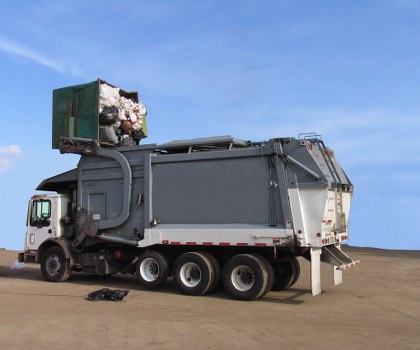
Commercial waste in Gipsy Hill needs a service that is orderly, practical and suitable for day-to-day business operations. We collect and clear a wide range of non-hazardous commercial waste, helping local organisations keep work areas usable without leaving bags, bulky items or mixed materials to pile up. The focus is on straightforward removal and sensible handling, with options that suit offices, shops, hospitality premises, shared buildings and other business settings.
Our commercial waste removal service is designed around different kinds of load, from routine sack collections to bulkier items that need careful lifting and loading. Where materials can be separated, that is easier to manage at source; where waste is mixed, we can still remove it in one visit and sort it for the appropriate next step. The service is intended to be clear, measured and business-friendly rather than disruptive.
For a quotation, share the main type of waste and the access conditions so the work can be assessed properly. If you already know roughly how much needs to go, that helps shape the plan; if not, a brief description is enough to start. You can also compare the different waste services below if you need to decide whether your load is best treated as office waste, furniture disposal or a broader clearance.
Business waste collections for ongoing premises

Business waste collections are most useful when you need regular or repeat removal rather than a one-off clear-out. This can include packaging, archive material, broken office fixtures, cardboard, general rubbish and other non-hazardous waste created by normal trading activity. The aim is to keep the workflow simple: waste is taken away without forcing staff to spend time moving it between storage corners, corridors or loading areas.
For many premises, the useful decision is whether the waste can go as a general commercial load or whether it is better split by material or item type. Mixed loads are common, especially when offices refresh equipment or hospitality spaces replace furnishings. A careful description helps to avoid underestimating the job, and it also helps us suggest whether a single collection, a staged removal or a more focused service would be the better fit.
Typical business waste can include:
- cardboard, packaging and wrapping materials
- paper records and general office rubbish
- damaged shelving, fixtures and lightweight fittings
- bagged non-hazardous waste from daily trading
- mixed contents from a stock room, storeroom or back office
Office clearances and workplace items
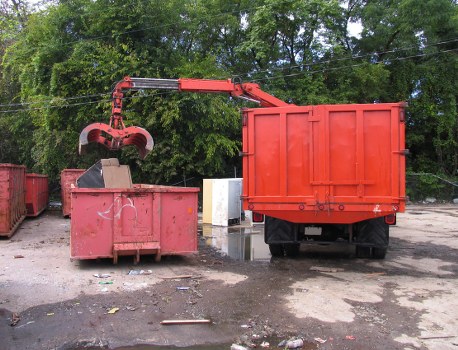
Office waste removal is useful when desks, chairs, cabinets, screens and other work items no longer fit the way the space is used. A clearance can be limited to a few surplus items or cover a full room of redundant furniture and equipment. The important point is that the removal is planned around access, lifting and the type of item, because office materials often combine light furniture with awkward shapes and heavier storage pieces.
If you are deciding what to keep and what to remove, it helps to group items by room or by function. That can make it easier to distinguish disposal from reuse or relocation, especially where a business is moving staff, reducing headcount or reorganising workstations. We can deal with the unwanted items once they are identified, and the job can usually be shaped to suit the space rather than the other way round.
Supported office work commonly includes the removal of desks, task chairs, filing cabinets, small storage units, meeting-room furnishings and mixed workplace clutter. Where the job involves multiple floors, narrow access routes or items that need to be dismantled before removal, those practical details should be explained up front. A clear note about lifts, stairs and loading space helps the quotation reflect the work more accurately.
Furniture disposal and bulky items
Furniture disposal is often the right choice when a business has a small number of large items rather than a room full of mixed waste. This may include sofas, tables, reception seating, shelving, armchairs, cupboards and other bulky pieces that are awkward to move within a working environment. The service is practical when the priority is to clear specific items without disturbing everything else around them.
Some furniture can be taken as part of a commercial clearance, while other items are easier to handle through a focused disposal visit. That distinction matters because the handling time, manpower and loading approach can differ considerably. If an item is too large for normal access, or if it needs to be separated before removal, those details should be included when you request a quotation so the work can be planned safely and efficiently.
When a business is replacing several items at once, it can be useful to treat the load as a single organised collection rather than a set of separate jobs. Furniture disposal can make that easier where the main issue is bulky items rather than general rubbish, while a broader clearance may suit mixed contents from several rooms. Choose the option that best matches the items, the access and the amount of sorting required.
Why offices and shops usually book mixed commercial clearance
Many premises do not generate one neat category of waste. A shop refit may leave packaging, old fixtures and damaged display pieces. An office move may produce archive boxes, obsolete equipment and unwanted chairs. In these cases, mixed commercial clearance is often simpler than arranging several smaller disposals, because the waste can be dealt with in one operation rather than pieced together over several days.
Clear descriptions help the service stay efficient. If the load includes only bagged waste, the collection can be planned one way; if it includes shelving, appliances or dismantling work, it needs a different approach. A short inventory is often enough, but a note about anything unusually heavy, fragile or awkward will help avoid delays. Practical detail is more useful than guesswork when the aim is a realistic quotation.
When you are ready to move forward, the simplest route is to note the item types, the number of floors and any access restrictions. That gives enough context for a sensible price discussion and makes it easier to decide whether the right service is a general business collection, office clearance or a dedicated furniture removal. Please ask for a quotation if you would like the work assessed against your own premises and load.
About Gipsy Hill
Gipsy Hill is a district in south London, sitting across the boundary area where the London Boroughs of Lambeth and Southwark meet the wider Crystal Palace and Norwood surroundings. The name is best known for the station, opened in 1856 on the Crystal Palace and South London Junction Railway, which helped tie the hilltop neighbourhood more closely to rail travel across the capital. The area’s shape follows the local topography: a ridge and slope rather than a flat grid, with streets climbing away from the rail corridor and opening out towards residential terraces, mixed local parades and pockets of green space. That elevated position is part of its character and gives the district a distinct feel within inner south London.
House clearances and empty properties
House clearance is relevant to commercial customers too, especially where a property is being vacated after business use, or where a landlord, agent or managing party needs contents removed before the space can be handed back. This can involve general household items, office-style furniture, stored possessions and assorted waste left behind in a flat or house used for business purposes. The objective is to leave the premises ready for its next stage without requiring repeated visits for separate categories of item.
A structured clearance is usually easier when the contents are grouped before removal begins. That does not mean everything must be sorted in advance, but it does help to identify what stays, what goes and whether anything is particularly heavy or awkward. A brief description of rooms, stairs, parking access and the approximate volume of waste is usually enough for a practical quotation. If there are items that need to remain in place, that should be stated clearly.
House clearance can suit property contents that are broader than ordinary business waste, while a more targeted service may be better where only furniture or office items need removing. If you are unsure which route is appropriate, the safest approach is to describe the contents plainly and ask for the most suitable option. We can then help you judge whether the job needs a full clearance or a smaller focused collection.
Garden waste from commercial outdoor areas
Commercial waste is not limited to indoor premises. Outdoor areas can produce cuttings, branches, soil-contaminated debris, pots, broken edging, sacks of green waste and other material from business grounds, courtyards or landscaped frontage. Where premises include a garden or planted space, the removal service needs to handle the waste as a separate load with its own handling and loading requirements.
Garden waste removal is especially useful after maintenance work, seasonal cutting back or a general tidy of planted areas that support a business setting. The load may be light and bulky, or heavy and compact, depending on how much woody material and soil is involved. Access to the outdoor area matters, as do gate widths, internal routes and whether material needs to be carried through the building before loading.
For the clearest quotation, it helps to say whether the waste is mainly green cuttings, mixed outdoor debris or a combination of both. Garden clearance is the relevant option where the space itself needs clearing rather than a single pile of cuttings, while a narrower collection may be enough for maintenance waste. A concise description of the outdoor area usually gives better results than trying to fit everything into a generic rubbish category.
Special items: appliances, mattresses and other awkward loads
Some commercial waste is not difficult because of volume, but because of shape, weight or handling. Fridges, freezers, washing machines, mattresses and similar items can be awkward to move through common areas and may need more careful loading than ordinary bagged rubbish. Where such items are mixed with office or business waste, the best approach is to identify them clearly so the removal can be planned around the heaviest pieces first.
Dedicated item disposal is helpful when a premises has just a few bulky pieces that do not justify a full clearance. It can also be useful when a business replaces staff-room appliances, upgrades sleeping accommodation or clears out furniture that has become unsuitable for reuse within the building. The more exact the description, the easier it is to plan the removal and decide whether the rest of the waste can be dealt with at the same time.
Relevant specialist pages are available where the main item is the focus: fridge and appliance removal for white goods, and mattress and sofa disposal for large soft furnishings. If your load includes just one or two awkward items, those pages may be more precise than a broad general collection. For mixed premises waste, the broader service may still be the better fit.
Quotations, access and planning
A useful quotation begins with a simple description of the waste, followed by access details and any time constraints that affect the job. If the property has stairs, limited parking, controlled entry or narrow loading routes, those points should be mentioned early. That does not make the work impossible; it simply means the plan and the price can reflect the actual conditions rather than a best-case assumption.
It is also helpful to explain whether the items are ready at ground level, still in rooms, or spread across several parts of the building. A clear outline of the volume and type of waste usually matters more than elaborate preparation. If you need to separate keep, remove and recycle piles, that can be done before the collection, but the main aim is to ensure the load is described accurately enough for a fair assessment.
Pricing and quotes is the best place to start when you want to understand how the job is approached commercially. If you are ready now, send the details and request a quotation in plain language. We will use the description to match the right service to the waste, keeping the process focused on what actually needs removing.
Recycling, sorting and responsible handling
[IMG_?]
Commercial waste removal should be more than a lift-and-drop exercise. Where suitable, materials are separated so that recyclable items, reusable furniture and general waste can be handled appropriately. Offices often produce a useful mix of cardboard, metal, plastics and paper, while mixed business clearances can include pieces that need sorting before they reach their next stage. Thoughtful handling is important because the contents of a commercial load are rarely uniform.
That is why item type matters at quotation stage. A stack of packaging does not need the same handling as a load containing desks, upholstery and dismantled fittings. If a job includes sensitive records, mixed documents or material that should be kept separate from ordinary rubbish, that should be stated clearly. Recycling and sustainability gives a broader view of how recoverable materials are considered as part of the service, while the practical side remains centred on safe removal and proper sorting.
Other useful commercial services
Some businesses need a service that goes beyond the basic collection of general rubbish. A warehouse, for example, may need stubborn items cleared from storage. A builder working on a small commercial fit-out may need leftover rubble and offcuts removed after the main work is complete. In other cases, the right answer is a focused waste clearance that combines several item types under one organised visit rather than several separate bookings.
Useful related options include office clearance, business waste removal, waste removal and builders waste clearance. Each of these suits a slightly different sort of load or premises, so the best choice depends on whether you have workplace furniture, general operational waste or heavier post-work debris. A short, accurate description will make the difference clearer than trying to force the job into a single label.
When the waste includes a confidential or controlled element, such as paperwork that should not be mixed with general rubbish, it is sensible to look at a more specific route. You can ask for a quotation now, or take a moment to compare the available service pages if you would like the removal to match the exact contents of the load.