Commercial Waste Gipsy Hill: Recycling and Sustainability Strategy
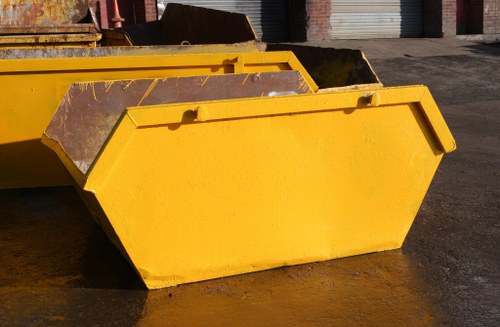 Commercial Waste Gipsy Hill is committed to creating an eco-friendly waste disposal area and a truly sustainable rubbish area for businesses across the neighbourhood. Our approach balances efficient commercial waste handling with clear environmental outcomes: reducing landfill, increasing reuse and recovery, and integrating low-carbon logistics. Whether you run a small shop, a café, or a larger office in the locality, our Gipsy Hill commercial waste services are designed to support circular-economy practices that fit borough-level policies.
We set a clear recycling percentage target to drive measurable improvement: a borough-aligned goal of 70% recycling and recovery from commercial streams within five years. This target reflects an ambitious but achievable path that includes increases in glass, paper, food waste and mixed recycling capture rates. Our strategy aligns with the local boroughs' approach to waste separation, which emphasises separate food waste collection, dedicated glass and metal bins, and clear signage to reduce contamination.
Local Transfer Stations and Low-Carbon Logistics
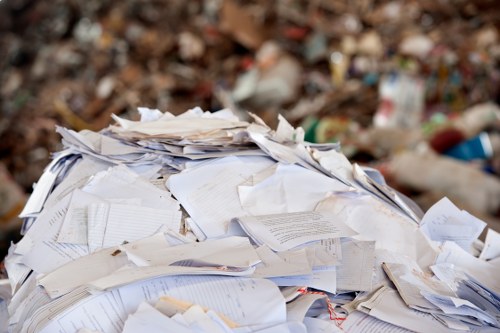
Efficient transfer and consolidation are central to an effective commercial rubbish programme. We work with nearby transfer stations that specialise in sorted loads from businesses, ensuring materials are transported to the right reprocessing facilities. Our routing minimises empty miles by using consolidated loads and strategic drop-off times. Importantly, we operate a fleet of low-carbon vans and hybrid vehicles to reduce the emissions associated with commercial waste collection and drop-offs.Partnerships with charities and reuse organisations are a keystone of our sustainable strategy. By diverting reusable items from commercial refuse streams into charity networks, we extend product life and support local social causes. We actively coordinate collections for items such as surplus textiles, unopened non-perishable food, furniture in good condition, and office equipment that can be refurbished. These collaborations create a local circular loop: businesses benefit from reduced disposal costs, charities receive usable donations, and the environmental footprint of waste is reduced.
What Businesses Can Expect: Services and Separation
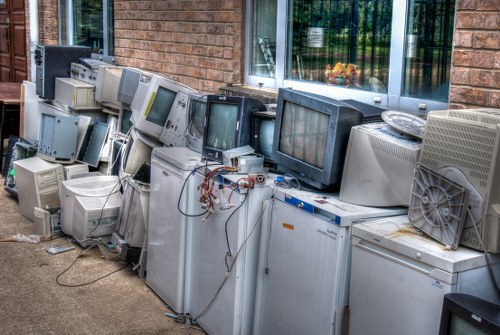
In practice, Gipsy Hill commercial waste collection follows best-practice separation: separate containers or sacks for food waste, paper and card, glass, metal and plastics, plus a clear container for general residual waste. We provide training materials and on-site walkthroughs to help staff adopt simple separation routines. Our systems mirror the boroughs' kerbside policies where possible, creating consistent behaviour between commercial and household waste streams. This simplifies compliance and helps achieve higher capture rates of recyclable materials.To support the sustainable rubbish area concept, we operate designated drop-off points and temporary storage that comply with health and safety and ensure materials are kept dry and uncontaminated. Hazardous items and electronic waste are treated through certified channels, while organic streams are either processed at local anaerobic digestion facilities or composted where suitable. The aim is a fully traceable chain of custody for materials collected from Gipsy Hill commercial properties.
Monitoring and continuous improvement are integral to reaching our recycling percentage target. We perform regular waste audits to identify contamination sources, measure capture rates, and fine-tune container sizes and collection frequencies. Reports include tonnages diverted from landfill, reuse volumes from charity partnerships, and CO2-savings estimations arising from our low-carbon vans and consolidated routing. These data-driven steps help us demonstrate progress to stakeholders and refine operational choices in real time.
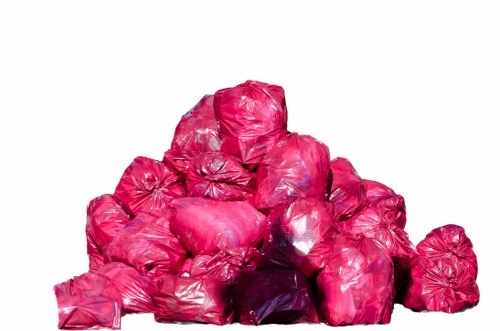 Community partnerships and charity connections increase both social value and recovery rates. We maintain relationships with local and London-wide charities that accept commercial donations, and with social enterprises that provide refurbishment and redistribution services. Typical beneficiaries include food banks, furniture re-use groups, and electronics refurbishers. Our donation-first policy encourages businesses to offer surplus goods for reuse before considering recycling or disposal, reflecting both sustainability and social responsibility.
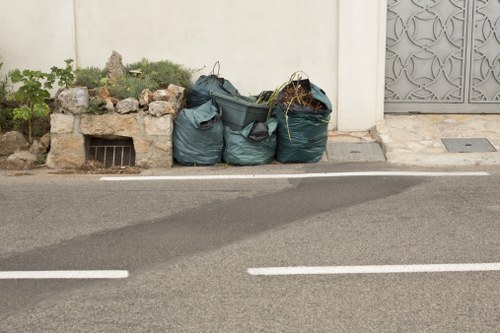 In conclusion, the Gipsy Hill approach to commercial rubbish is holistic: it couples operational excellence in collection and transfer with strong commitments to reuse through charity partnerships and an explicit focus on decarbonising transport. By prioritising an eco-friendly waste disposal area and cultivating a sustainable rubbish area within the community, we are helping local businesses meet regulatory expectations and contribute to a greener local economy. Together, Gipsy Hill commercial waste services and their partners can meet the 70% recycling target, lower emissions with low-carbon vans, and keep more materials circulating in productive use.
