Gipsy Road to Crystal Palace rubbish collection tips for locals
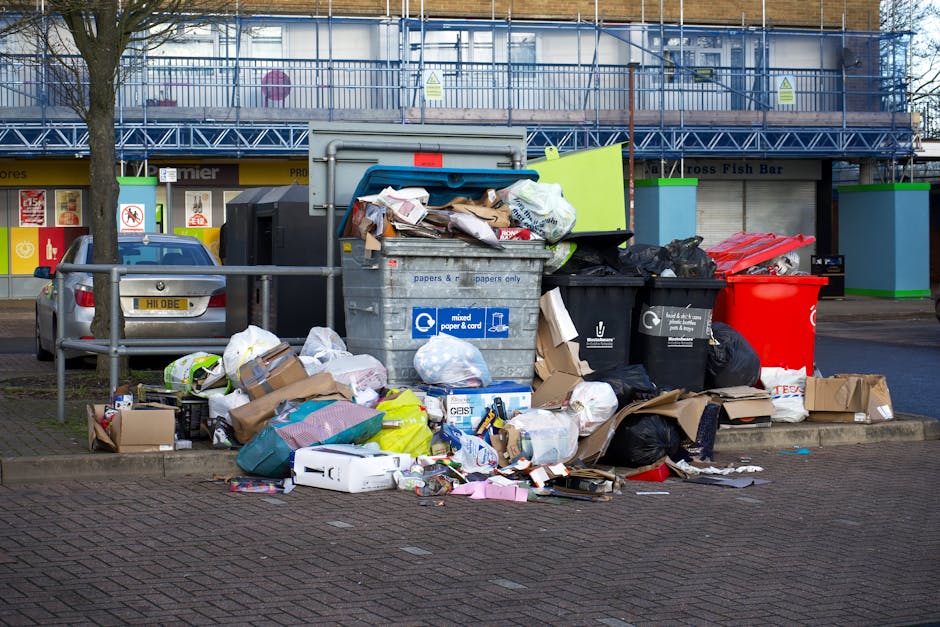
If you live between Gipsy Road and Crystal Palace, rubbish can build up fast. One week it is a broken wardrobe, the next it is a bag of renovation scraps, and suddenly the hallway feels like a holding bay. These Gipsy Road to Crystal Palace rubbish collection tips for locals are designed to make the whole process calmer, cleaner, and a lot less stressful. Whether you are clearing a flat, tidying a garden, or handling bulky items after a move, the right approach saves time, avoids mistakes, and helps you keep on top of waste properly.
This guide breaks down how rubbish collection usually works locally, what to watch out for, and how to decide between a one-off clearance, a skip, or a more tailored waste removal service. It is practical, local, and written with real-life household mess in mind. Because let's face it, rubbish does not politely wait until you are ready.
Table of Contents
- Why Gipsy Road to Crystal Palace rubbish collection tips for locals Matters
- How Gipsy Road to Crystal Palace rubbish collection tips for locals Works
- Key Benefits and Practical Advantages
- Who This Is For and When It Makes Sense
- Step-by-Step Guidance
- Expert Tips for Better Results
- Common Mistakes to Avoid
- Tools, Resources and Recommendations
- Law, Compliance, Standards, or Best Practice
- Options, Methods, or Comparison Table
- Case Study or Real-World Example
- Practical Checklist
- Conclusion
- Frequently Asked Questions
Why Gipsy Road to Crystal Palace rubbish collection tips for locals Matters
The stretch from Gipsy Road up towards Crystal Palace has a very ordinary London problem: homes are often busy, storage is limited, and waste accumulates quicker than people expect. A small pile in the corner of a room can turn into a bulky job in no time. That is why good rubbish collection habits matter. They keep your home safe, reduce clutter, and stop waste from lingering for weeks because the task feels too big to start.
Local timing matters too. Roads can get congested, parking can be awkward, and shared entrances or narrow stairwells can make a simple collection more complicated than it looks on paper. If you have ever stood at the window at 8:15 in the morning, looking down at a van circling for parking space, you know the feeling. Planning properly makes a huge difference.
There is also the question of what happens after the rubbish leaves your property. Sorting items well can improve recycling outcomes, keep reusable goods in circulation, and reduce the chance of hazardous materials being mixed in with general waste. That is where a bit of know-how pays off. Not glamorous, but useful. Very useful.
For many locals, the real value is peace of mind. You know what is going out, when it is going out, and that it is being handled in a sensible way. If you need a broader overview of available services, the main waste removal page is a helpful starting point, while the recycling and sustainability page explains the sort of mindful approach many households now prefer.
How Gipsy Road to Crystal Palace rubbish collection tips for locals Works
At a practical level, rubbish collection works best when the waste is separated into sensible groups before anyone arrives to collect it. That means general household rubbish, bulky furniture, garden cuttings, broken appliances, and renovation waste should not all be thrown together if you can avoid it. The more organised you are, the smoother the collection tends to be.
In a typical local scenario, you start with a quick assessment: what exactly needs to go, how much space it takes up, whether it contains anything restricted, and how easy it will be to move from the property to the vehicle. Flats, terraced houses, and maisonettes all create different access issues. A top-floor flat with a narrow stairwell is a very different job from a ground-floor front room clearance, and anyone who has carried a mattress down two flights of stairs will tell you that.
Collection methods also differ. Some households only need a one-off lift-and-load service. Others are dealing with a full house clear-out, garden waste, or mixed items from a small renovation. In some cases, the best next step is to review specialised support such as house clearance, flat clearance, or builders waste clearance. These options can be easier than trying to manage everything with bins alone.
Scheduling also matters. If waste is ready and accessible, collection becomes a short, focused job. If it is scattered across the loft, garage, shed, and hallway, expect delays and more effort. A little advance sorting can save a surprising amount of hassle.
Key Benefits and Practical Advantages
There are several reasons locals choose a well-planned rubbish collection rather than leaving things to pile up. The obvious one is convenience, but the practical benefits go a bit deeper than that.
- Less clutter at home: Clear space makes rooms easier to use again, especially in smaller London properties.
- Safer access: Removing loose items from hallways, steps, and gardens reduces trip hazards.
- Better sorting: Separate materials are easier to recycle or dispose of responsibly.
- Faster collection day: Prepared waste is simpler to load, which usually means less disruption.
- Fewer surprises: A clear plan helps you spot awkward items early, such as appliances, mattresses, or potentially hazardous waste.
For people moving house, clearing after tenants, or tidying before a renovation, the benefit is often psychological as much as practical. A cleared room feels like progress. It is a small thing, but after a long day of shifting boxes and sweeping dust, that empty floor can feel oddly satisfying.
Cost can also be easier to manage when you know what you are dealing with. You are less likely to overbook capacity or need a second collection because the pile was bigger than expected. If you want to compare options before booking, the pricing and quotes page is useful for understanding how estimates are usually approached.
Who This Is For and When It Makes Sense
This kind of rubbish collection guidance is useful for a wide mix of locals, not just people doing a big clear-out. In practice, it tends to help:
- homeowners dealing with accumulated clutter
- tenants moving out or cleaning up after a tenancy
- landlords preparing a property between occupants
- families clearing lofts, garages, or spare rooms
- people replacing sofas, beds, wardrobes, or appliances
- gardeners and DIYers left with waste after a weekend project
- small businesses with occasional bulky waste needs
It makes sense whenever the job is too awkward, too bulky, or too time-sensitive for ordinary bin collection. It also makes sense if you want to avoid multiple car trips, dust, noise, and the usual "we'll do it next weekend" cycle that somehow lasts three months.
Some households only need light decluttering, and others are handling a full property clear-out. If it is the latter, related options like home clearance, loft clearance, or garage clearance may be more appropriate than trying to patch the problem together item by item.
Step-by-Step Guidance
If you want rubbish collection to go smoothly, follow a simple process. Nothing fancy. Just a clean sequence that keeps you organised.
- Walk through the property. Check every room, cupboard, shed, loft, or storage area so nothing gets missed.
- Sort the waste into broad groups. Keep general rubbish separate from furniture, appliances, green waste, and building debris.
- Identify awkward items early. Fridges, mattresses, electronics, paint tins, and anything sharp or heavy need extra thought.
- Measure bulky items. Doorways, stair turns, and narrow passages can make a big difference on the day.
- Clear the access route. Move bikes, shoes, plant pots, and other clutter out of the way.
- Bag or bundle smaller waste. This saves time and keeps loose bits from scattering in the wind.
- Check what can be reused or donated. If something still has life in it, keep it out of the waste stream.
- Confirm timing and location details. Make sure collection arrangements suit your road, building access, and parking situation.
A practical example: if you are clearing a spare room near Crystal Palace after a long-overdue declutter, start with clothes and cardboard, then move to the old bedside table, then the broken fan, and finally anything else that needs specialist handling. Doing it in layers is much less exhausting than staring at the room and wondering where to begin.
For mixed household projects, you can also look at related services like furniture disposal and mattress and sofa disposal, especially if the items are too large for normal bin collections.
Expert Tips for Better Results
Here is the part people usually wish they had known earlier. A few small habits make collection day much easier.
- Keep one waste zone. Put everything in one visible area rather than spreading it around the house.
- Leave space around bulky items. A loaded room slows everything down if the team has to move one thing just to reach another.
- Separate clean materials from dirty ones. Clean cardboard, wood, and metal are easier to handle than mixed debris.
- Watch for hidden hazards. Broken glass inside bags, old batteries, and leaking containers can be easy to miss.
- Take a quick photo list. It sounds simple, but a visual list helps you remember what must go and what should stay.
- Plan around neighbours. If access is shared, a heads-up can prevent awkward moments on the stairs or pavement.
One useful local habit is to prepare the night before. Morning collections are calmer when the sorting is already done, especially if you are juggling work, kids, or a commuter schedule. And if you have ever tried to drag a sofa out while half-awake with a coffee in one hand, you will know why that matters.
For businesses or home offices, a bit of extra care is sensible too. Confidential paper waste, files, or equipment should be handled through a dedicated process such as confidential shredding or, where appropriate, office clearance.
Common Mistakes to Avoid
Most rubbish collection problems come from a handful of very ordinary mistakes. The good news? They are easy to avoid once you know what to look for.
- Leaving sorting until the last minute. That usually means more stress and a less efficient collection.
- Mixing restricted items into general waste. Some items need special handling, so do not bury them in a random pile.
- Forgetting access issues. A van may be ready, but if the route is blocked, things slow down quickly.
- Underestimating volume. Bags and boxes add up. A few piles can turn into a full load without warning.
- Assuming everything can go together. That is a common one, and it tends to cause delays.
- Not checking heavy or awkward items. A washing machine or fridge is not just another bit of junk. It needs the right approach.
There is also a tendency to forget the final sweep. A room can look "done" until you spot the screwdriver, the cable, the spare bracket, and the single shoe hiding under the bed. It happens to everyone.
If you are removing appliances, take a closer look at the specialist guidance for fridge and appliance removal. If the waste involves soil, hedge cuttings, or old plant pots, then garden clearance may be a better fit.
Tools, Resources and Recommendations
You do not need a mountain of equipment to organise rubbish collection well. A few simple tools make a big difference:
- strong sacks or rubble bags for loose rubbish
- dust sheets or tarps to protect floors while you sort
- marker pen and tape for labelling bags or boxes
- gloves for sharp or dusty items
- a tape measure for bulky furniture and access routes
- a torch for lofts, sheds, and darker corners
For larger clearances, it helps to think in zones: keep one area for items to keep, one for donations or reuse, and one for disposal. That way you are not trying to make decisions while stepping over half-packed boxes. Truth be told, once people start sorting properly, the job usually feels about half as big.
On the service side, a good starting point is to review the relevant pages for your type of waste. If you are clearing after building work, read about builders waste clearance. If you are clearing a full property, house clearance may be the more suitable route. And if you want a broader sense of how the business operates, the about us page gives useful background.
Law, Compliance, Standards, or Best Practice
When rubbish is being collected, the main thing is to handle it responsibly and in line with accepted UK waste practice. That usually means keeping waste types separated where possible, avoiding illegal dumping, and making sure any contractor or collector is operating in a proper, traceable way. You do not need to become a waste-law expert, but you do need to be careful with certain items.
Hazardous or risky materials deserve special attention. Things like chemicals, paint, solvents, gas canisters, damaged batteries, and some electrical items should never be treated casually. If you are unsure, pause and ask before mixing them in with general rubbish. Better a small delay than a much bigger problem later.
Good practice also includes sensible health and safety thinking. Clear walkways, gloves for sharp waste, secure lifting for heavy items, and not overfilling bags all reduce risk. If a clearance feels physically awkward, that is usually a sign to slow down and plan it properly. Nobody wins by wrestling a wet sofa down the stairs in a hurry.
For people wanting extra reassurance, it can help to review the company's health and safety policy and insurance and safety information before booking. If sustainability matters to you, the recycling and sustainability page is also worth a look.
Options, Methods, or Comparison Table
Not every rubbish job needs the same solution. Here is a straightforward comparison to help locals choose what fits best.
| Method | Best for | Main advantage | Possible drawback |
|---|---|---|---|
| Bin-by-bin clearing | Small, light household waste | No special arrangement needed | Slow for bulky or mixed items |
| Skip hire | Renovation debris, heavy mixed waste, longer projects | Useful for ongoing DIY jobs | Needs space and careful filling |
| One-off waste removal | Bulky items, quick clear-outs, awkward access | Fast and hands-off | May not suit very large ongoing projects |
| Specialist clearance | Lofts, garages, furniture, appliances, office contents | Tailored to the item type | Needs the right service match |
If you are not sure what method fits, start by asking one question: am I clearing a pile, or am I clearing a space? That distinction helps more than most people expect. A pile might be a simple rubbish job. A space often needs something broader, like loft clearance or garage clearance.
Case Study or Real-World Example
Here is a realistic example based on the sort of job locals often face. A family in the Gipsy Hill area had accumulated a mix of old toys, broken shelving, a tired sofa, some cardboard, and a few boxes from a recent room shuffle. Nothing dramatic, just one of those clear-outs that quietly becomes a source of irritation every time you walk past it.
They began by sorting items into keep, donate, and remove. The sofa and shelving went to one side, cardboard and packaging to another, and a few small items were bagged straight away. They measured the sofa before collection day because the hallway had a tight turn near the front door. Good move. That tiny bit of prep stopped a potential headache.
On the day, the access route was clear, the waste was grouped properly, and the job was finished quickly. The main lesson was not dramatic: organisation beats improvisation. Every time. And the room felt bigger afterward, which is always a nice little shock, isn't it?
That same approach works for a lot of real-world jobs, from furniture clearance to small home clearance projects. Keep the sorting simple, and the rest follows.
Practical Checklist
Use this checklist before collection day. It keeps things tidy and stops last-minute panic.
- Have I sorted rubbish into broad categories?
- Have I identified any appliances, mattresses, or hazardous items?
- Are hallways, doors, and stairs clear for access?
- Have I measured any bulky furniture that needs moving out?
- Are bags tied, sealed, or bundled safely?
- Have I separated anything reusable from waste?
- Do neighbours or building managers need advance notice?
- Have I checked whether the waste needs a specialist service?
- Is the collection point easy to find?
- Have I kept documents or confidential papers out of general waste?
If you can tick most of those off, you are in good shape. If not, no drama. Just fix the gaps before the waste team arrives. A calm five minutes now often saves a messy half-hour later.
Get a free quote today and see how much you can save.
Conclusion
Getting rubbish collection right between Gipsy Road and Crystal Palace is mostly about preparation, not perfection. Sort first, measure the awkward stuff, clear the route, and choose the method that fits the job. Do that, and the whole thing becomes much easier. Less waiting, less guessing, less mess.
The big win is simple: a safer, clearer home and a waste process that feels manageable rather than overwhelming. Whether you are clearing a single bulky item or tackling a proper reset of the house, the right plan makes all the difference. And once it is done, that sigh of relief is real. You can hear it in the quiet of the room.
If you are ready to take the next step, explore the service pages that match your situation and choose the option that feels right for your household or property. Small improvements add up, honestly they do.
Frequently Asked Questions
What is the best way to organise rubbish collection for a home near Gipsy Road or Crystal Palace?
Start by sorting waste into broad groups such as general rubbish, bulky furniture, garden waste, and anything that may need special handling. Keep access routes clear and measure awkward items before collection day. That simple prep usually prevents most problems.
Can I mix furniture, cardboard, and garden waste together?
Sometimes mixed loads are handled together, but it is often better to keep different waste types separated where possible. It makes loading easier and helps with responsible disposal or recycling.
Do I need a special service for a loft or garage full of clutter?
Often, yes. If the job is more than a few bags, a dedicated loft clearance or garage clearance can be much more efficient than trying to move everything yourself.
What should I do with an old fridge or washing machine?
Appliances should be handled carefully because they can contain components that need special treatment. A service such as fridge and appliance removal is usually the safer route than leaving them in a general pile.
How far in advance should I prepare for rubbish collection?
For a small job, the day before is often enough. For larger clear-outs, give yourself a few days so you can sort, measure, and clear access without rushing.
What items are most commonly forgotten during a clear-out?
People often miss things in lofts, under beds, behind doors, and inside cupboards. Small items like cables, batteries, and loose fixings also get forgotten surprisingly often.
Is it worth using a waste removal service for only a few bulky items?
Yes, if the items are awkward, heavy, or difficult to transport. A single sofa or mattress can be more trouble than a whole stack of smaller bags. In those cases, specialist removal is often the calmer option.
What if I have confidential paper or office clutter?
Keep confidential material separate from general rubbish and use a proper shredding route. If you are clearing a workspace, the confidential shredding and office clearance pages are sensible places to start.
How can I keep rubbish collection costs down?
Sort waste in advance, remove reusable items first, and make sure access is straightforward. The less time spent on sorting and moving awkward items, the more efficient the job tends to be. It sounds obvious, but people forget it when the room is a bit of a state.
What happens if I am not sure whether an item is hazardous?
Do not guess. Set it aside and check before mixing it with other waste. Hazardous items need special care, and it is always better to be cautious than to create a disposal problem later.
Which service should I choose for a full house clear-out?
A full property clear-out is usually best handled through house clearance or, for smaller homes and apartments, flat clearance. The right choice depends on volume, access, and how much sorting is still needed.
How do I know if my waste is prepared properly for collection?
If your items are grouped sensibly, walkways are clear, any heavy or awkward pieces are identified, and nothing hazardous has been hidden in with ordinary waste, you are probably well prepared. A final quick walk-through before the team arrives is usually enough.